
Dehumanization Rebranded as Humor—Race, Animals, and the Refusal to Let Dehumanization Have the Last Word
Dehumanization only functions if we accept its premise. When that worldview is exposed, the insult loses the authority it claims.
Dehumanization only functions if we accept its premise. When that worldview is exposed, the insult loses the authority it claims.

Lately, everything feels “griefy.” Not one loss, but many. This reflection explores cumulative grief, cultural context, and what it means to live in a world that keeps asking us to carry more than we were designed to hold.

Authenticity became a quiet covenant I made with myself this year. This reflection explores grief, writing, and what it meant to choose alignment instead of silence.

Grief does not move in straight lines. In this final part of Beyond the Stages, I reflect on the framework that helped me hold loss and life at the same time, and why a squiggly line became the most honest way to understand grief.

Grief is universal, but the way we experience it is not. In Part 3 of this series, I reflect on the major grief theories I explored and why they could not fully capture the emotional and cultural complexity at the heart of my research.

Grief does not unfold the same way for everyone, and neither does research. In this post, I explore how choosing the right theoretical framework became a deeply personal part of my dissertation journey.
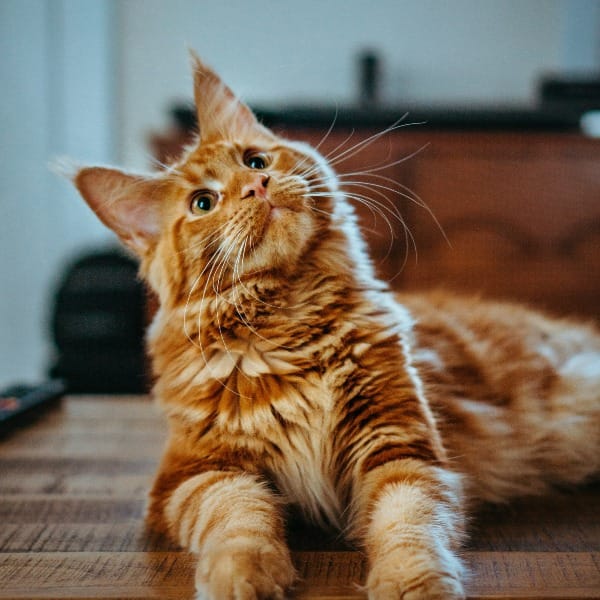
As a researcher familiar with grief theory, I thought I knew the frameworks. But when my own losses refused to fit inside them, I realized I needed a new lens—one that could hold both the science and the soul of grief.

What's the difference between grief and mourning? Grief is your response to loss; mourning is a choice. You're not obligated to mourn every public death.
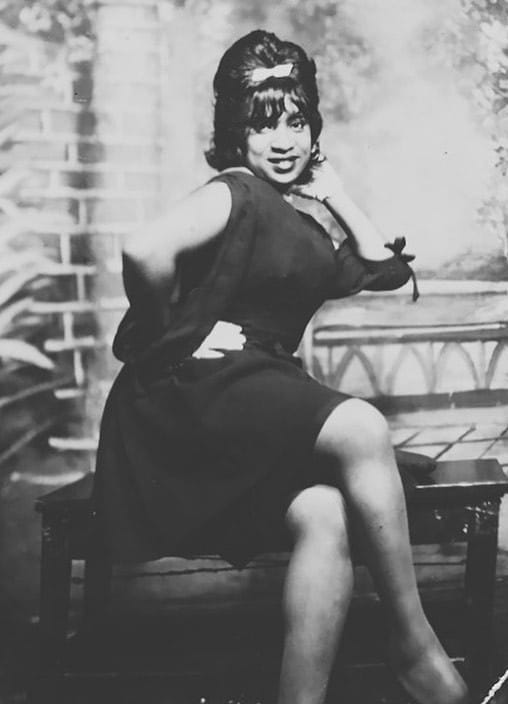
Wednesday, October 1st, would have been my mom's 85th birthday. It's also, in one of those beautiful coincidences that feel like more than a coincidence, the 6th birthday of my cats Tina and Joe—but that's a whole other story for another time.

Social media platforms have created what I call "algorithmic mourning"—where technology, not the grieving person, decides when it's time to remember.

To everyone missing someone with four paws (or two wings, or however many legs)—you're not alone in this. As my vet told me on the day I said goodbye to Samson, "they were lucky to be loved by you," and you were blessed to love them.

Disenfranchised grief occurs when empathy fails—when family, friends, and the larger community fail to recognize and support a grieving person. But what I found in my research was even more striking: the fear of empathic failure, where people grieve in silence simply anticipating rejection.
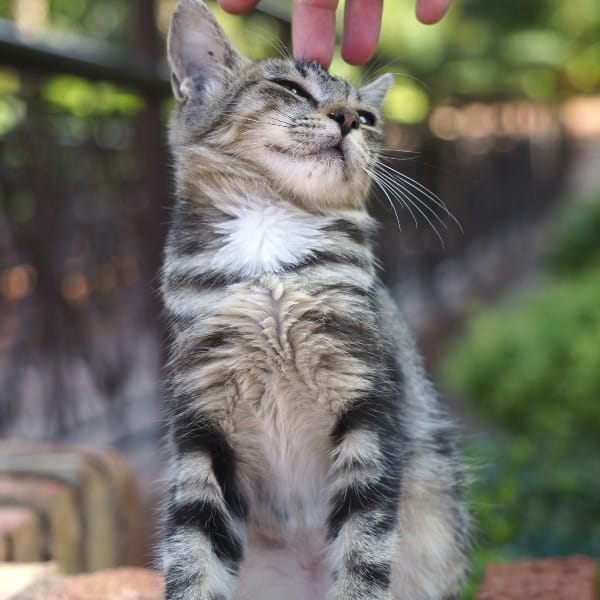
pet loss
I've just wrapped up an unexpected summer tour of my dissertation research. As I reflect on this whirlwind of posters, presentations, and first-time academic conference navigation, I keep getting asked the same question: "Why this research?"
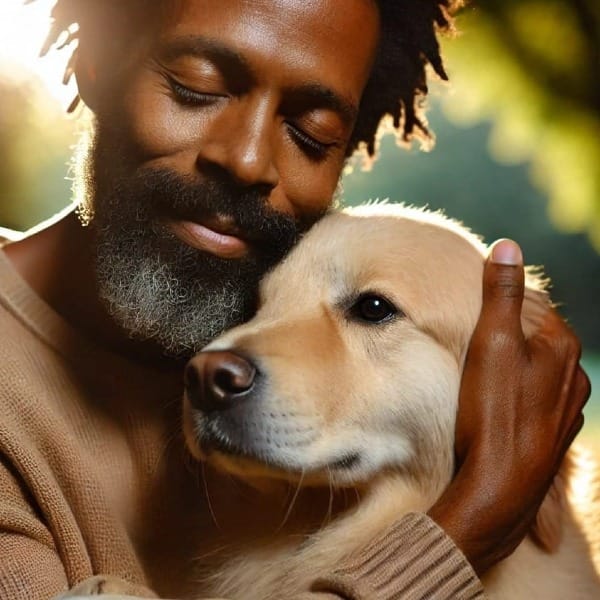
grief
A few days ago, someone reached out to tell me my dissertation gave them 'permission to simply grieve and be.' They were wrestling with feeling grief for their dog 'because...I'm Black.' Their message reminded me why we need to expand how we understand grief across cultures and communities.

grief
When Malcolm Jamal Warner died, I didn't just lose an actor I occasionally saw on TV. I lost a piece of my childhood, a representation of Black boyhood that was intelligent and loved, and a reminder of possibilities that seemed within reach.

grief
A space for stories, research, and reflection at the intersection of grief, culture, and the human-animal bond. This is where I’m starting—with honesty, imperfection, and community.
grief
Not sure what this blog is about? That’s fair. Here’s a look at the core themes—grief, grace, growth, and sometimes cats.